Ekintek Mineral
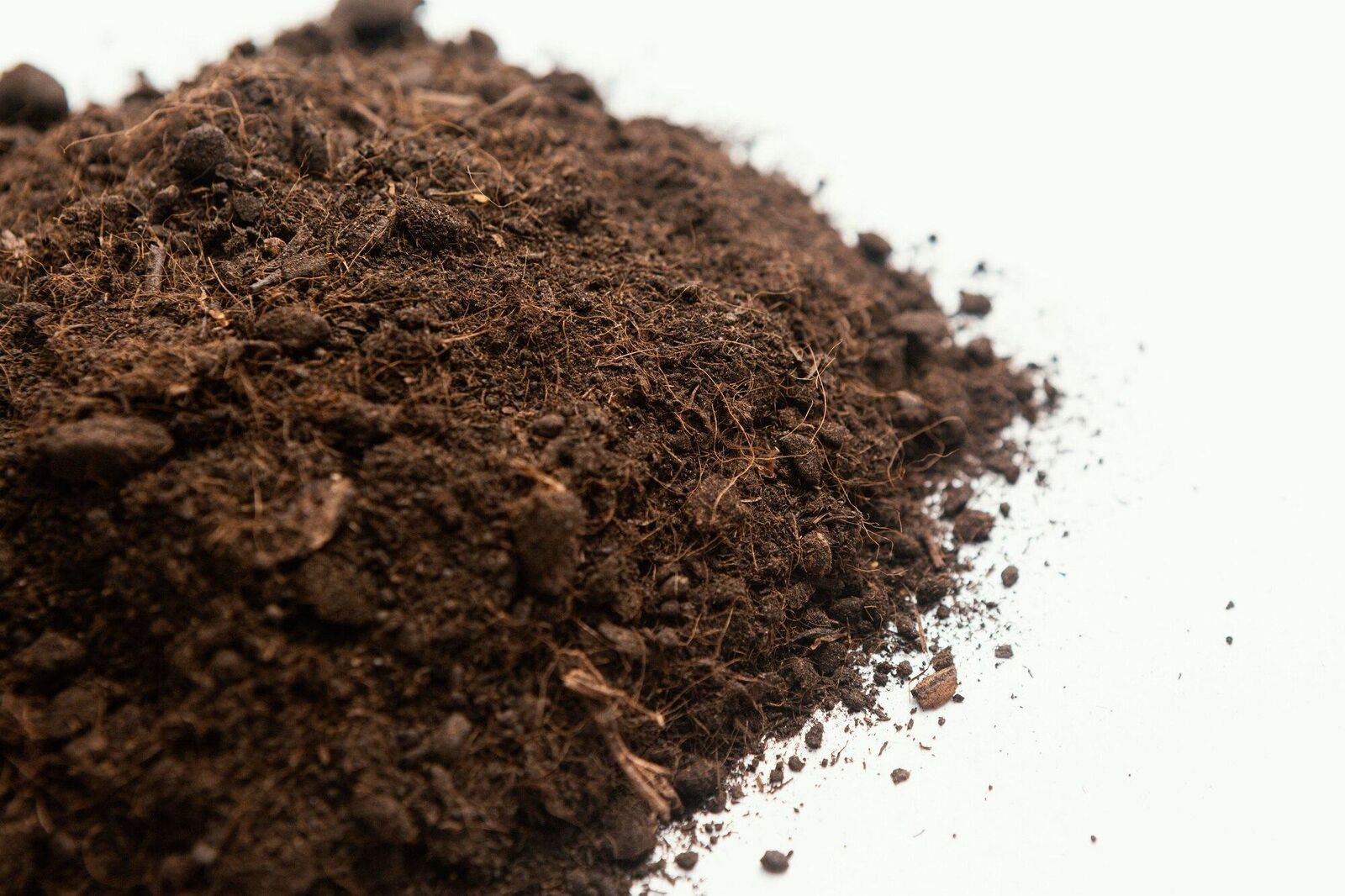
Ekintek Mineral is a 100% natural mineral fertilizer, extracted directly from nature and micronized with no chemicals or other mineral additives. It carries more than 60 useful mineral elements, especially the micronutrients most farmland now seriously lacks.

کشت ارگانیک
COMPATIBLE
www.ekintek.ir
More than a soil conditioner
A healthy, sustainable way to feed soil and plants
Among the leading mineral soil amendments worldwide
Organic-compatible and free of substances harmful to people or the environment
Improves soil structure, microbial activity and root health
For field crops, orchards, greenhouses and all urban greenery
A treasure of rare and essential elements
Chemical fertilizers usually supply only the main nutrients; Ekintek Mineral returns 60+ active mineral elements to the soil in a natural, balanced way.
Guaranteed analysis
Below are the guaranteed levels of the main elements. Most of the mass is silica and aluminosilicates, which improve soil structure and help it hold water and nutrients.
| Element | Formula | % |
|---|---|---|
| Total potassium | K₂O | 4 |
| Total calcium | CaO | 6 |
| Total iron | Fe₂O₃ | 6 |
| Total magnesium | MgO | 7 |
| Total manganese | MnO | 0.07 |
| Total sulfur | S | 2 |
| Total silicon | SiO₂ | 50 |
| Total aluminum | Al₂O₃ | 13 |
Compared with conventional chemical fertilizers
Decades of chemical fertilizers used for fast yield gains have harmed soil, water and human health. Ekintek Mineral releases nutrients slowly and steadily, without making soil dependent or polluting groundwater.
| Feature | Ekintek Mineral | Conventional chemical |
|---|---|---|
| Source | Extracted directly from natural mineral deposits, no additives | Industrially synthesized |
| Composition | Natural minerals; 60+ elements incl. essential micronutrients | NPK with processed additives |
| Effect on soil | Restores soil, boosts microbial activity | Acidification, long-term dependency |
| Effect on plant | Balanced growth, stronger roots, more stress resistance | Fast but shallow growth, pest sensitivity |
| Persistence in soil | Long-lasting, slow and steady feeding | Short-term, frequent re-application |
| Environmental impact | Non-polluting and toxin-free | Water pollution, ecosystem damage |
| Organic farming | Permitted and recommended | Not permitted |
| Long-term cost | Lower extra costs, higher yield and quality | Soil degradation, more pesticides, lower quality |
| Consumer health | Healthy produce, no chemical residue | Harmful residue in the final product |
Restored soil, better crops
Field and orchard experience across the country shows that sandy soils have gradually gained structure, the need for repeated fertilizing and spraying has dropped, greenness, rooting, flowering and yield have visibly improved, and the final produce tastes better, keeps longer and is healthier.

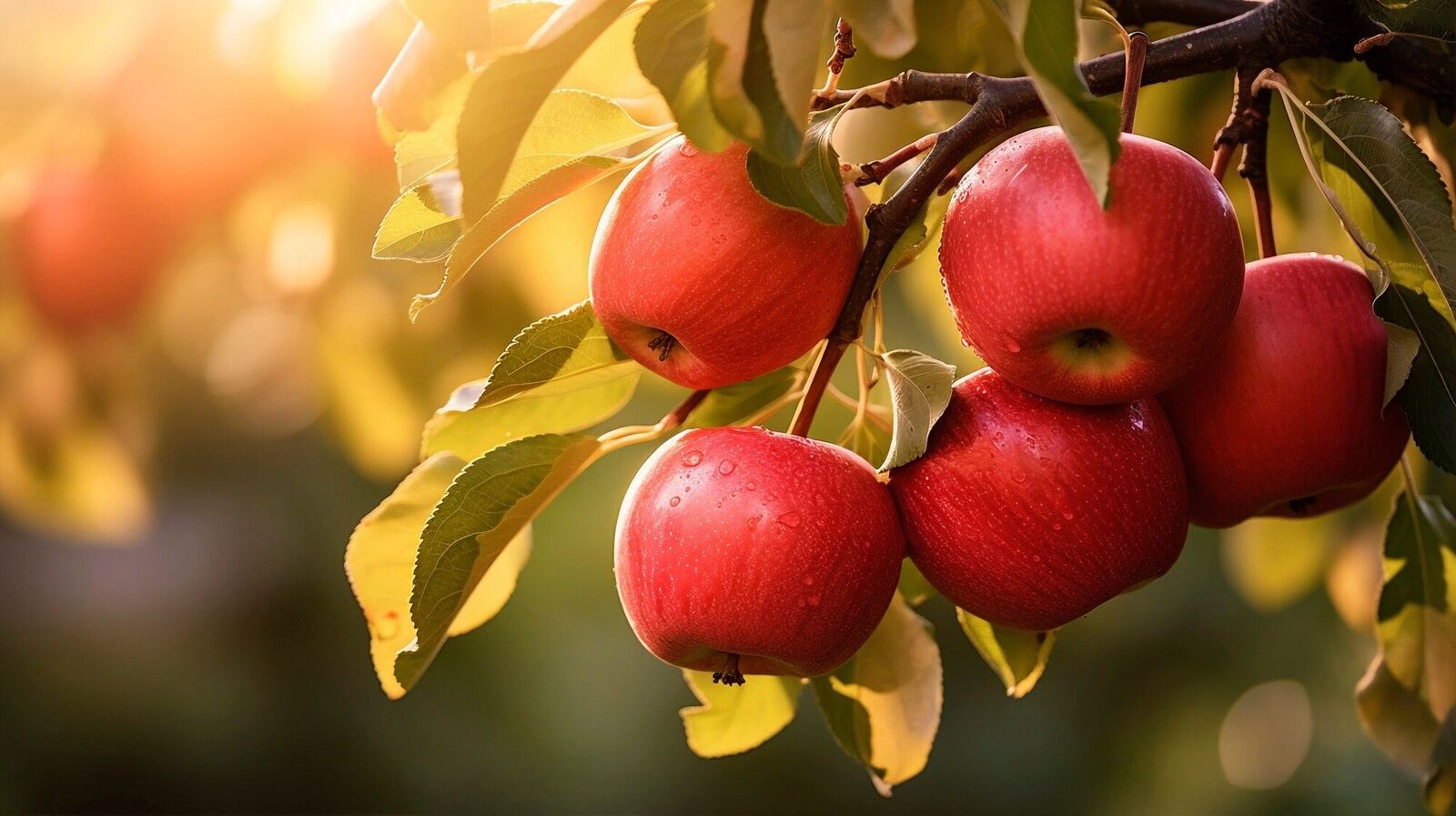
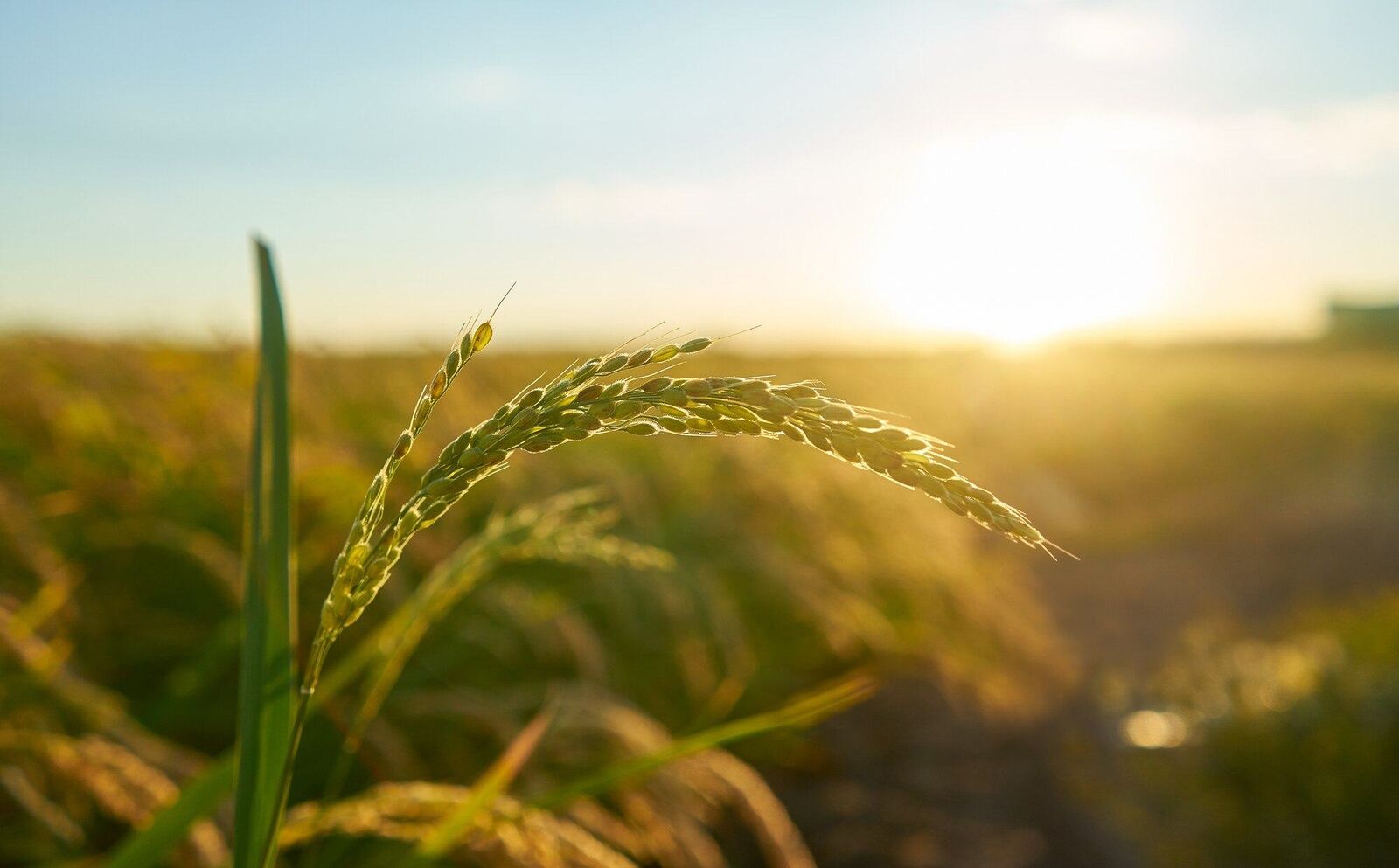

Applications: from field to flowerpot
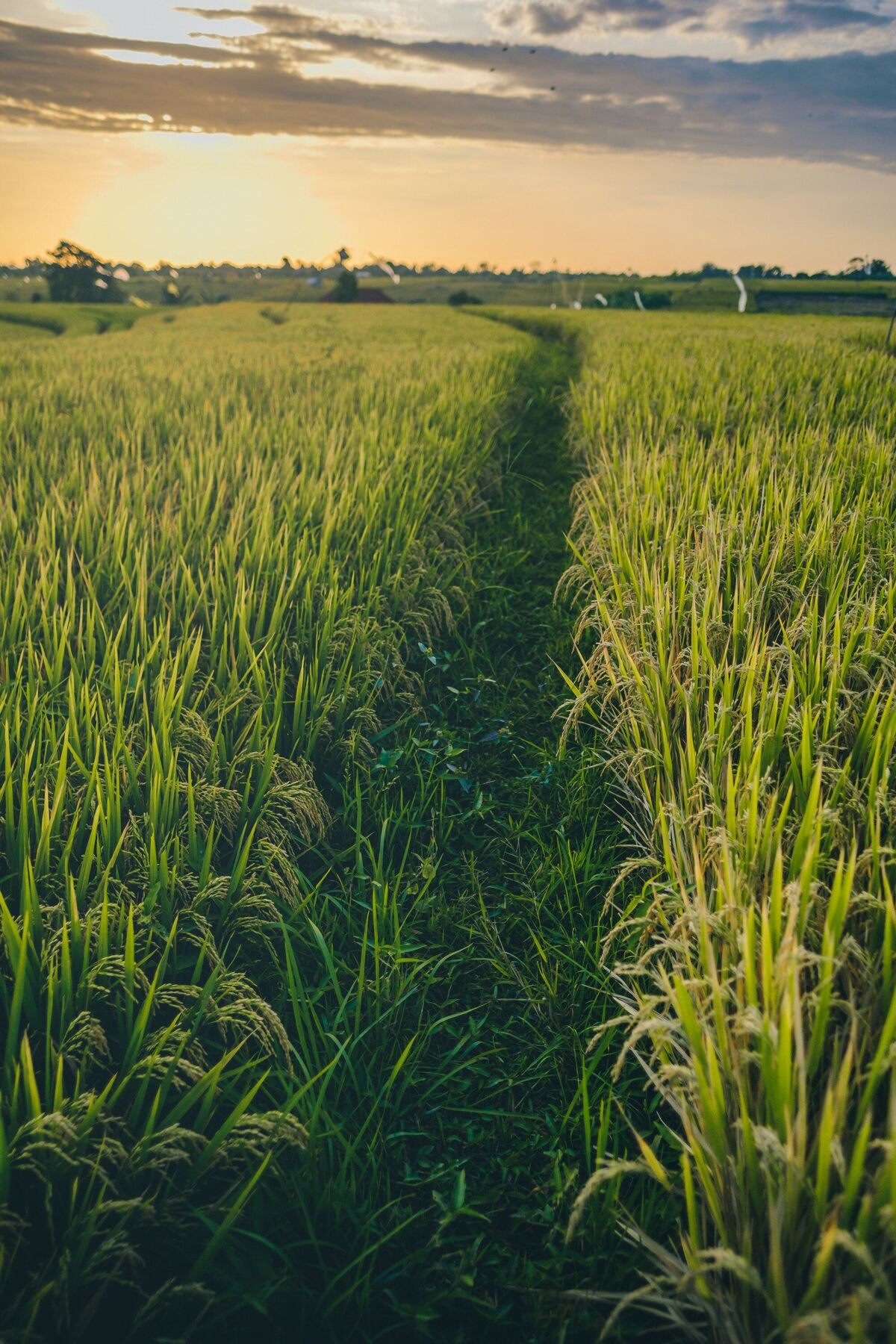
Field crops (wheat, corn, rice…)
- Uniform growth, deeper roots
- More resistance to cold, drought and poor soils
- Higher yield and quality

Orchards (apple, grape, citrus, pomegranate…)
- More flowering and fruit set
- Better flavour, colour and storage life
- Less premature fruit drop

Greenhouses (tomato, cucumber…)
- Less need for costly chemical inputs
- Stronger soil and roots for continuous harvests
- Plant health and disease resistance

Green spaces & lawns
- Lasting greenness, less soil fatigue
- Steady feeding without chemical boosters
- Ideal for parks and city landscaping
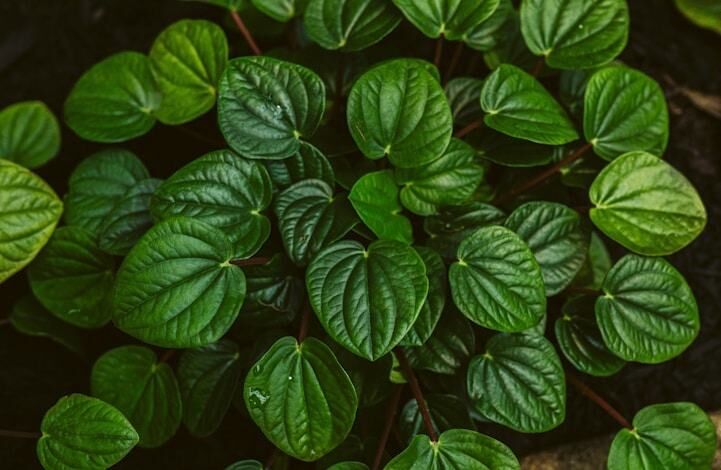
Indoor plants
- Gentle, long-lasting feeding without root burn
- Better leaf colour, tolerance to low light and dryness
- Clean, odourless and safe at home
A natural partner for lasting profit
- Less chemical fertilizer, thanks to balanced soil nutrition
- Less spraying, lower labour costs and crop losses
- Longer soil fertility with better water retention
- Higher quality and market value, better export potential
- More produce per hectare
Proven, certified and trusted
Research
Effect of different doses on nutrient uptake and growth of maize, wheat and chickpea under controlled conditions — Ferdowsi University of Mashhad
| Trait | Corn | Wheat | Chickpea |
|---|---|---|---|
| Plant height | 20.8 | 27 | 55 |
| Plant weight | 34 | 81.8 | 89 |
| Plant moisture | 38 | 22 | 43 |
| Root weight | 24 | 21 | 170 |
| Greenness | 25.7 | 16.8 | 6 |
| Calcium uptake | 85 | 65 | 35 |
| Potassium uptake | 47.3 | 79.4 | 26.4 |
Figures are % improvement over the untreated control.
Correcting leaf yellowing in Albizia trees — green spaces of Tehran Municipality District 22
Iron deficiency was identified as the main cause. After soil application and foliar spraying at several concentrations, leaf iron and calcium rose substantially, chlorophyll a and b increased, and the yellowing cleared completely.
How to apply
Spread Ekintek Mineral around the base of the plant like a granular soil amendment and work it lightly into the topsoil.
- In sandy soils the rate can be raised to hold moisture and reduce leaching.
- For heavy or saline soils, follow our specialist guidance.
- For best results, do not apply together with chemical fertilizers.
- Pit or trench application is not recommended.
Let's plan your farm's nutrition together
Get in touch for prices, the catalogue or agronomic advice.